If you’re preparing an SBIR or STTR proposal, you’ve probably already realized that developing a competitive submission takes a significant investment of time and expertise. Between interpreting the solicitation, building a compelling technical narrative, developing a commercialization strategy, preparing budgets, coordinating contributors, and ensuring compliance with agency requirements, proposal development is a substantial undertaking.
What many founders don’t realize is that in some states, the cost of getting professional proposal support may be partially, or even largely, covered through state-funded assistance programs.
These programs are designed to encourage more innovative small businesses to compete for federal research funding. Rather than expecting companies to navigate the process alone, many states have created Phase 0 or FAST-funded programs that reimburse businesses for proposal preparation expenses, including working with experienced SBIR consultants.
If your company is located in one of these states, it is worth exploring these opportunities before you begin your next proposal.
What Are Phase 0 and FAST Programs?
Most of these programs fall into one of two categories.
The first are Phase 0 programs, which provide funding before an SBIR or STTR proposal is submitted. Their purpose is to help promising companies prepare stronger applications by offsetting the cost of proposal development.
The second are FAST-funded programs, supported by the U.S. Small Business Administration. These programs help states increase participation in the federal SBIR and STTR programs by providing technical assistance, proposal support, and commercialization resources for small businesses.
While every state administers its program differently, many allow companies to use funding toward professional proposal consulting and writing assistance.
Which States Offer Reimbursement for Proposal Preperation?
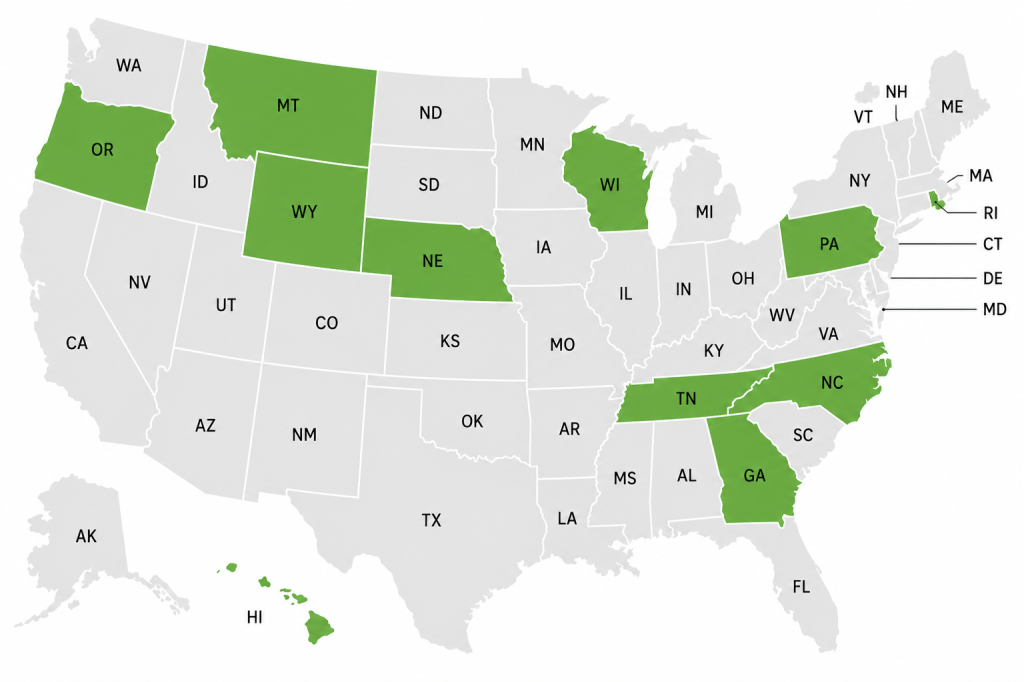
The following states currently offer programs that generally allow businesses to receive reimbursement for proposal preparation costs, including working with independent proposal consultants. Program requirements, funding levels, and eligibility vary, so always review the current guidelines before applying.
| State | Maximum Funding | Official Program |
|---|---|---|
| Georgia | Up to $2,450 | https://research.uga.edu/gateway/startups/uga-fast-grant/ |
| Hawaii | Up to $3,000 | https://www.htdc.org/programs/hawaii-small-business-innovation-research-program/ |
| Montana | Up to $3,000 | https://www.montanainnovationpartnership.org/fast-microgrants |
| Nebraska | Up to $5,000 | https://opportunity.nebraska.gov/programs/business/sbir-sttr/ |
| North Carolina | Up to $12,000 | https://www.commerce.nc.gov/grants-incentives/technology-funds/one-north-carolina-small-business-program |
| Oregon | Up to $5,000 | https://www.oregon.gov/biz/programs/sbir-sttr/pages/default.aspx |
| Pennsylvania | Up to $5,000 | https://innovationpartnership.net/ipart-programs/microvoucher-program-guidelines/ |
| Rhode Island | Up to $3,000 | https://stac.ri.gov/find-funding/innovate-ri-fund/ |
| Tennessee | Up to $2,500 | https://launchtn.org/sbir-sttr-application-support/ |
| Wisconsin | Up to $4,500 | https://wisconsinctc.org/programs/proposal-preparation-micro-grants/ |
| Wyoming | Up to $5,000 | https://www.wyomingsbdc.org/innovation-funding/ |
Not Every Program Works the Same Way
One important point is that these programs are not identical. Some states reimburse companies after proposal submission. Others require approval before work begins. Some allow businesses to select their own consultant, while others maintain a list of approved providers or administer consulting directly through a university or innovation center.
Understanding these requirements early can make the difference between receiving reimbursement and missing the opportunity entirely.
A Good Proposal Is More Than Good Writing
When people hear “proposal writing,” they often picture someone simply putting words on paper. In reality, successful SBIR proposals require much more than that.
Strong proposals begin with selecting the right solicitation, developing a competitive strategy, identifying strengths and weaknesses, organizing technical content, aligning the commercialization plan, building a compliant budget, and presenting the work in a way that directly addresses reviewer priorities.
The writing itself is only one part of a much larger process.
That is why many founders choose to work with someone who has experience managing the proposal from strategy through submission, especially when state funding can offset much of that investment.
Let’s See Whether Your Company Qualifies
If your business is located in one of the states listed above and you’re considering pursuing an SBIR opportunity, I’d be happy to help you determine whether one of these programs is available to you and whether Proposal Arc would be a good fit.
Every company and every solicitation is different. During a free consultation, we can discuss your technology, your funding goals, potential opportunities, and whether your state’s assistance program could help reduce the cost of proposal development.
If you’re planning your next proposal, feel free to reach out at amisha@proposalarc.com to schedule a free consultation. I’d love to learn more about what you’re building and help you make the most of the resources available to your business.

Leave a comment